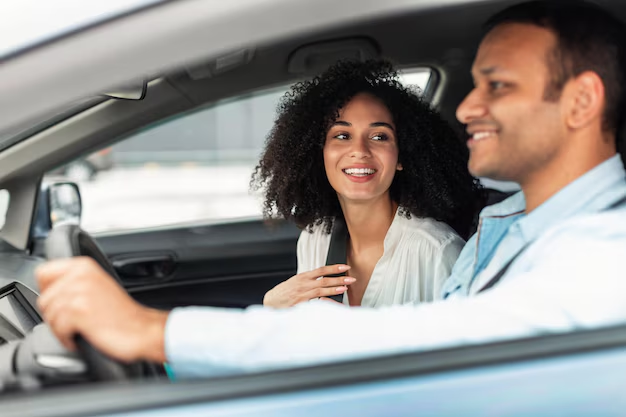
The Dealership's Insurance Covers You During a Test Drive
You do not need your own insurance policy to test drive a car at a dealership. The dealership carries dealer liability insurance that covers test drives, and that coverage protects you and the vehicle while you're behind the wheel. This is standard across the industry — dealerships are required to have this coverage before they can legally let customers drive vehicles off the lot.
The dealership's policy covers damage to the test drive vehicle and liability if you cause an accident during the drive. You won't be asked to show proof of insurance or sign a waiver that makes you financially responsible for damage. That said, the dealership will ask for your driver's license and may run a quick check to confirm it's valid and that you don't have an active suspension.
If you cause an accident during a test drive, the dealership's insurance handles the claim. You're not on the hook for the repair bill or for third-party liability — that's what their policy is for. The only exception is if you were driving recklessly or violated the dealership's explicit instructions about where you could take the vehicle.
Key Takeaways
- Dealership liability insurance covers all test drives, so you do not need your own policy to drive a vehicle off the lot.
- The dealership's coverage pays for damage to the test vehicle and liability if you cause an accident during the drive.
- You will need a valid driver's license, but the dealership will not ask for proof of your personal insurance.
- If you buy the vehicle, you must have insurance in place before you drive it home — most dealerships will not release the car without proof.
- Private sales and test drives arranged outside a dealership are different; the seller's insurance typically does not cover test drives, and you should ask before driving.
What Happens If You Cause an Accident During a Test Drive
If you're in an accident while test driving a dealership vehicle, the dealership's insurance company will investigate and handle the claim. You should report the accident to the dealership staff when ready — do not leave the lot or attempt to handle it on your own. The dealership will document what happened, take photos, and file a claim with their insurer.
Your personal driving record may be reviewed as part of the investigation, but you are not personally liable for the damage. The dealership's policy is designed to cover accidents that happen during test drives, even if you were at fault. The only scenario where you might face personal liability is if you were driving under the influence, driving with a suspended license, or deliberately caused damage — in those cases, the dealership could pursue you separately for negligence.
If a third party (another driver, a pedestrian, or property owner) was involved in the accident, the dealership's liability coverage pays their medical bills and property damage claims. You won't receive a bill for that either. The dealership may ask you to provide a written statement about what happened, and you should be honest and factual.
Why You Need Your Own Insurance Before Buying
The moment you purchase a vehicle and drive it off the dealership lot, you are responsible for having insurance. Most states require you to carry liability insurance before you can legally drive on public roads. The dealership will not release the car to you without proof of insurance — they need to know the vehicle is covered before it leaves their property.
You have a few options. If you already own a car and have an active policy, you can call your insurance company before you go to the dealership and add the new vehicle to your policy. This takes minutes and is usually effective when ready. If you don't have insurance, you can purchase a policy online or by phone before you buy, and most insurers can issue a proof-of-insurance document when ready.
Some dealerships offer temporary coverage or will let you purchase a short-term policy through them, but this is more expensive than buying directly from an insurer. The best approach is to have your insurance arranged before you finalize the purchase. Once you own the vehicle, you're legally required to maintain coverage, and driving without it can result in fines, license suspension, and personal liability if you cause an accident.
Test Driving a Private-Party Vehicle Is Different
If you're test driving a car from a private seller — someone selling their own vehicle — the situation is different. The seller's personal auto insurance typically does not cover test drives. Most personal policies explicitly exclude coverage for anyone other than the named policyholder and their household members driving the vehicle.
Before you test drive a private-party vehicle, ask the seller whether their insurance covers test drives. If it doesn't, you have a few options: you can ask the seller to add you as a temporary driver, you can drive the vehicle to your own insurance agent for an inspection before you commit to buying, or you can decline the test drive and make the purchase contingent on a pre-purchase inspection by a mechanic. Some sellers will agree to let you follow them in your own car to a mechanic's shop instead of a traditional test drive.
If you do test drive a private-party vehicle and cause an accident, you could be personally liable for damage to the seller's car and for any third-party claims. This is why it's important to clarify insurance coverage before you get behind the wheel. You can also ask the seller to show you proof that their policy covers test drives — they should have a declarations page or be able to call their agent to confirm.
What to Bring and What to Expect at the Dealership
Bring your valid driver's license — that's the main thing the dealership will ask for. They may also ask for your phone number and address, and they might run a quick background check to confirm your license is active and not suspended. Some dealerships ask for a credit card to hold on file during the test drive, but this is not standard practice and you can decline if you're uncomfortable with it.
The dealership will give you keys and may assign a salesperson to ride along. You're free to decline a salesperson riding with you, though many dealerships prefer to have someone in the vehicle for liability reasons. The salesperson won't interfere with your driving — they're there to answer questions and to may support the vehicle is returned safely.
You'll be given a route or told where you can and cannot drive. Stick to that route. If you take the vehicle somewhere you were told not to go and cause an accident, the dealership may argue that you violated their instructions and could pursue you for damages. Most dealerships limit test drives to a 15- to 30-minute window and a radius of a few miles from the lot.
Insurance Requirements After You Buy
Once you purchase the vehicle, you must have insurance before you drive it off the lot. The dealership will not release the car without proof. If you're financing the vehicle, your lender will require comprehensive and collision coverage in addition to liability — this protects their financial interest in the car.
If you're paying cash, you only need liability insurance to meet state requirements, but comprehensive and collision coverage is still a good idea. Liability covers damage you cause to other people and their property; comprehensive and collision cover damage to your own vehicle from accidents, theft, weather, or vandalism.
Call your insurance company or get a quote online before you go to the dealership. Most insurers can bind coverage when ready and email you a proof-of-insurance document that you can show at the dealership. Have that document ready when you're ready to finalize the purchase.
Frequently Asked Questions
Can I test drive a car if my driver's license is expired?
No. The dealership will not let you test drive with an expired license because it's not a valid form of identification and you're not legally permitted to drive. Renew your license before you visit the dealership. Most states allow you to renew online or at a DMV office, and many offer temporary digital licenses while you wait for the physical card.
What if I get in an accident during a test drive and the dealership tries to charge me?
Contact your state's insurance commissioner or the dealership's corporate office. Dealerships are required to carry liability insurance specifically for test drives, and they cannot legally charge you for damage that occurred during a test drive unless you were driving recklessly or violated explicit instructions. Document everything in writing and keep copies of all communications.
Do I need to add the test drive vehicle to my insurance before I drive it?
No. The dealership's insurance covers the test drive. You only need to add a vehicle to your own policy after you purchase it and before you drive it off the lot. If you already own a car and have an active policy, you can call your agent and add the new vehicle while you're at the dealership finalizing the sale.
Can I test drive a car if I don't have a driver's license?
No. You must have a valid driver's license to test drive any vehicle. If you don't have one, you cannot legally drive, and the dealership will not allow it. If you're learning to drive, ask a licensed adult to test drive the vehicle with you, or arrange for a pre-purchase inspection by a mechanic instead.
What if the dealership says I need to buy insurance before the test drive?
That's not standard and you should not agree to it. Dealership liability insurance covers test drives — that's the law. If a dealership insists you purchase insurance before a test drive, contact your state's attorney general's office or the Better Business Bureau. You can also walk away and find another dealership.