The California CDL process takes four to eight weeks and requires a written test, a skills test, and a medical certificate before you can legally drive a commercial truck
California issues commercial driver's licenses through the Department of Motor Vehicles. You cannot skip steps or test out of requirements — every person follows the same sequence. The timeline depends on how quickly you schedule your tests and whether you pass on the first attempt. Most people complete the written exam within days of explore, but the skills test (the driving portion) often has a wait of two to four weeks depending on your local DMV office.
You will need to hold a valid California driver's license before you can test for a CDL. If you do not have one, get that first — it takes about two weeks. Once you have it, you can begin the CDL process when ready.
Key Takeaways
- You must pass a Department of Motor Vehicles written exam, a medical examination by a certified examiner, and a behind-the-wheel skills test in that order.
- The medical certificate (Form DL 51) must be completed by a licensed physician, optometrist, or physician assistant and submitted to the DMV before you schedule your skills test.
- California charges $40 for the written test and $100 for the skills test, plus the cost of the medical exam (typically $50 to $150, paid to the examiner, not the DMV).
- You can study for the written exam using the California Commercial Driver Handbook, available free on the DMV website, and many people pass after one week of preparation.
- The skills test includes a pre-trip vehicle inspection, a basic control test, and a road test — you must pass all three parts on the same day to pass the overall test.
Step 1: Get your medical certificate before you test
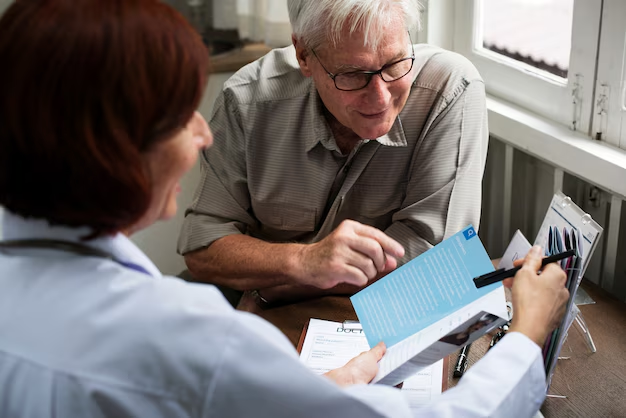
Before the DMV will let you take the written exam, you need a medical certificate signed by a licensed physician, optometrist, or physician assistant. This is Form DL 51, also called the Medical Examination Report. The examiner checks your vision, hearing, blood pressure, and general health to confirm you can safely operate a commercial vehicle. You do not need to be in perfect health — the DMV has specific medical standards, and most people pass.
Schedule this appointment yourself. The DMV does not do it. Call your doctor's office, an urgent care clinic, or a commercial driver medical examiner (search "DOT medical examiner near me" to find one). Bring your California driver's license and any medical records you have. The exam usually takes 15 to 30 minutes. The examiner gives you the signed Form DL 51 on the spot. Keep the original — you will need it when you go to the DMV.
The medical certificate is valid for two years from the date the examiner signs it. You do not need to renew it until you renew your CDL.
Step 2: Pass the written knowledge test at the DMV
Go to your local DMV office with your California driver's license, your signed medical certificate (Form DL 51), and proof of California residency (a utility bill, lease, or bank statement with your current address). Tell the clerk you want to test for a commercial driver's license and which class you need (Class A, B, or C — your employer or training program will tell you which one). Pay the $40 test fee.
The written exam has 50 questions. You must answer at least 40 correctly to pass. The test covers vehicle safety, braking, cargo handling, hazmat rules, and other commercial driving topics. You have one hour to complete it. If you fail, you can retake it the same day by paying another $40 fee, or come back another day.
Study using the California Commercial Driver Handbook, available free as a PDF on the DMV website (dmv.ca.gov). Read it cover to cover — most people spend three to seven days studying. Many DMV offices also have free practice tests on their computers. Take the practice test before you take the real one.
Step 3: Schedule and pass the skills test
After you pass the written exam, the DMV gives you a temporary permit. You can now legally practice driving a commercial vehicle with a licensed commercial driver in the passenger seat. Use this time to practice — the skills test is the hardest part for most people.
Schedule your skills test by calling your local DMV office or booking online through dmv.ca.gov. The wait is usually two to four weeks. The test costs $100. You must bring your California driver's license, your temporary permit, and a commercial vehicle that meets DMV specifications (your employer or training school will provide one). You also need a licensed commercial driver to sit in the passenger seat during the test — this person cannot be a family member.
The skills test has three parts, all on the same day. First is the pre-trip inspection: you walk around the truck and point out safety features and check for damage. The examiner asks you questions about what you see. Second is the basic control test: you drive the truck through a course with cones and lines to show you can control it at low speed. Third is the road test: you drive on public roads for about 20 minutes while the examiner watches. You must pass all three parts to pass the overall test. If you fail any part, you must retake the entire test and pay the $100 fee again.
What class of CDL you need depends on the truck and cargo
Class A is for trucks over 26,001 pounds with a trailer over 10,000 pounds. This is the most common CDL for long-haul trucking and most commercial driving jobs. Class B is for single trucks over 26,001 pounds without a trailer, or any truck towing a trailer under 10,000 pounds. Class C is for smaller vehicles that carry hazardous materials or 16 or more passengers.
Your employer or training program will tell you which class you need. If you are unsure, ask them before you explore. You can test for multiple classes, but you pay the full fee for each one.
You may also need endorsements — these are add-ons to your CDL that let you drive certain types of cargo or vehicles. The most common are Hazmat (hazardous materials), Tanker (liquid cargo), and Doubles/Triples (multiple trailers). Each endorsement requires a separate written test at the DMV ($10 per test). You can add endorsements at the same time you test for your CDL, or later.
Training programs and what they cover
Many people attend a commercial driver training school before testing. These programs are not required by California law, but they make passing the skills test much more likely. A typical program runs two to four weeks and costs $3,000 to $8,000. The school provides the truck for your skills test, the licensed driver who sits with you, and intensive practice on the pre-trip inspection and road test.
Some training programs are free or low-cost if you meet income requirements. Search "free CDL training California" or ask your local workforce development office. Some employers also pay for training if you commit to working for them after you get your license.
If you train on your own without a school, you need to find a licensed commercial driver to practice with and a truck that meets DMV specs. This is harder and takes longer, but it is possible.
After you pass: getting your actual CDL card
After you pass all three parts of the skills test, the examiner tells you on the spot. The DMV mails your actual CDL card to your address within two to three weeks. Until it arrives, your temporary permit is your proof that you passed. Most employers will let you start driving with the temporary permit.
Your CDL is valid for five years. You renew it at the DMV by paying a fee (currently $64) and passing a new medical exam. You do not have to retake the written or skills tests unless you let your CDL expire for more than one year, or unless you are convicted of certain traffic violations.
Frequently Asked Questions
Can I test for my CDL if I have an out-of-state driver's license?
No. You must have a valid California driver's license before you can test for a California CDL. If you have a license from another state, you can transfer it to California at the DMV, or get a California license by passing the written and vision tests. This takes about two weeks.
What happens if I fail the skills test?
You can retake it as many times as you need. Each attempt costs $100. Most people pass within two or three tries. Between attempts, practice with a licensed commercial driver. Many training schools offer retake packages at a lower cost than the full program.
Do I need to take a written test for each endorsement?
Yes. Each endorsement (Hazmat, Tanker, Doubles/Triples) requires its own written test at the DMV. Each test costs $10. You can take them all on the same day or spread them out. You do not need a skills test for endorsements — only for the base CDL class.
How long does the medical exam take, and what disqualifies you?
The exam takes 15 to 30 minutes. Most people pass. You may be disqualified for severe vision or hearing loss, uncontrolled high blood pressure, diabetes requiring insulin (in some cases), or certain neurological conditions. If you have a medical condition, ask the examiner before the exam whether it will disqualify you.
Can I use my CDL to drive a personal vehicle?
Yes. A CDL is a valid driver's license for any vehicle. You can drive a car, motorcycle, or anything else with it. However, you must follow all CDL rules while driving commercially — this includes medical certification, logbook requirements, and hours-of-service limits.